Cheesecake

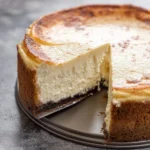
The aroma of fresh cheesecake wafting through the kitchen is nothing short of enchanting. Its velvety smoothness paired with a crisp, buttery crust creates a truly indulgent dessert experience that’s hard to resist. Cheesecake is perfectly creamy, just sweet enough, and can be dressed up or down with various toppings, making it a beloved option for any occasion. Every slice is a small celebration of flavors and textures.
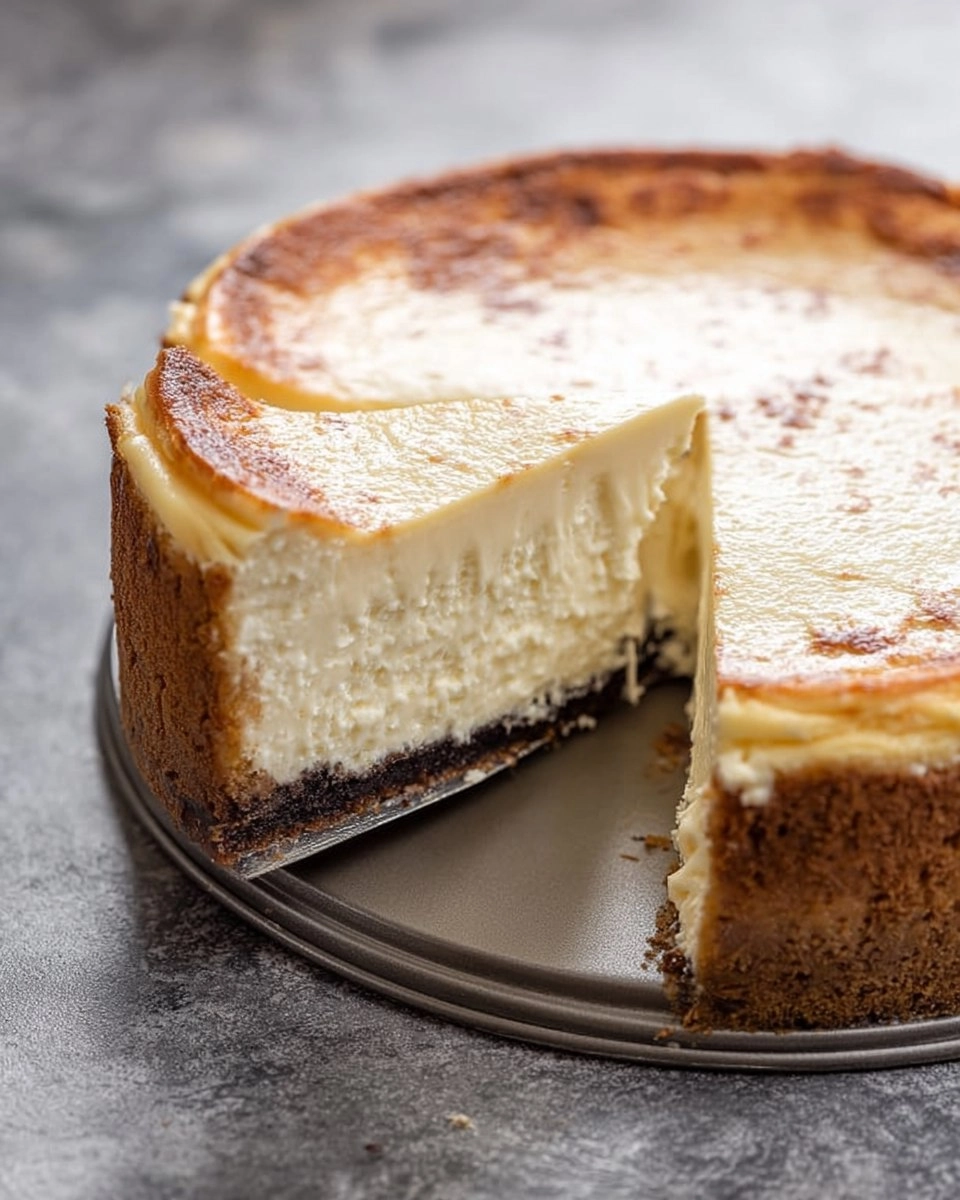
I still remember the first time I made a cheesecake. It was a rainy afternoon, perfect for baking. The combination of mix-ins and the delicate process intrigued me. As I layered the ingredients with care and patience, the anticipation kept building. When I finally took that first slice, the sweet, creamy flavor enveloped my taste buds, and I knew I had discovered my go-to dessert for gatherings and cozy nights in. If you’re looking to impress friends or simply treat yourself, this is definitely the cheesecake recipe you want in your repertoire.
Table of Contents
Why You’ll Love This Recipe
- Simple & Quick: With only 30 minutes of prep time, you’ll have an exquisite cheesecake ready to chill in no time.
- Irresistible Flavor: The rich creaminess combined with just the right amount of sweetness creates a flavor profile that’s truly luxurious.
- Eye-Catching Appeal: This dessert is as stunning as it is delicious, making it the star of any gathering.
- Flexible Serving: Whether it’s for a birthday party, holiday dinner, or a comforting weekday treat, cheesecake fits the bill perfectly.
- Diet-Friendly Options: You can easily make adjustments for dietary preferences by exploring gluten-free crusts or even dairy-free cream cheese alternatives.
Ingredients You’ll Need
- 2 cups graham cracker crumbs: These create a delicious and crunchy crust. Choose regular or honey-flavored for added sweetness.
- 1/3 cup sugar: This adds just the right amount of sweetness to the crust. Substitute with coconut sugar for a different flavor profile.
- 7 tablespoons butter, melted: It binds the crust together and adds richness. Use unsalted butter to control the saltiness.
- 5 blocks full-fat cream cheese (40 ounces total), room temperature: Full-fat gives the cheesecake its creamy texture. Low-fat alternatives may affect richness.
- 1 and 1/2 cups granulated sugar: This sweetens the filling; feel free to reduce slightly if you prefer less sweetness.
- 1 tablespoon pure vanilla extract: This enhances the flavor beautifully. Always use pure extract over artificial for the best taste.
- 5 large eggs, room temperature: Eggs help set the cheesecake. It’s best to let them sit out for about 30 minutes before using.
- 3 large egg yolks, room temperature: Using yolks adds richness and creaminess to the filling.
- 1/2 cup heavy cream, room temperature: This adds a velvety texture; for an even creamier cheesecake, consider using an extra 1/4 cup.
How to Make Cheesecake
- Preheat your oven: Set it to 350 degrees (F) and lightly spray a 9-inch springform pan with non-stick spray to ensure easy removal later.
- Prepare the pan: Wrap the bottom and sides of the pan with heavy-duty foil to avoid water leaking into the cheesecake during baking. A tight seal is essential.
- Make the crust: In a large bowl, combine 2 cups of graham cracker crumbs, 1/3 cup of sugar, and 7 tablespoons of melted butter. Mix until well combined and press the mixture firmly into the pan.
- Bake the crust: Place the crust into the preheated oven and bake for 8 minutes. Let it cool slightly on a rack while you prepare the filling.
- Cream the cheese: In a large mixing bowl or a stand mixer fitted with the whisk attachment, beat 5 blocks of room temperature cream cheese until super smooth. Make sure to scrape down the sides often.
- Mix in sugar and vanilla: Add 1 and 1/2 cups of sugar and 1 tablespoon of pure vanilla extract to the cream cheese, beating until fully blended and silky.
- Incorporate the eggs: Add 5 large room temperature eggs and 3 large yolks one at a time, making sure to beat well after each addition for a smooth batter.
- Add the cream: Gently mix in 1/2 cup of room temperature heavy cream until just combined, taking care not to overmix.
- Pour the filling: Pour the luscious filling into the prepared crust. Use a silicone spatula to smooth the top for an even finish.
- Set up the water bath: Place the cheesecake pan in a larger deep pan and carefully fill it with enough hot water to reach about 2 inches up the sides of the springform pan. This water bath helps to cook the cheesecake evenly and avoids cracks.
- Bake the cheesecake: Slide the pan into the oven and bake for 1 hour and 10 minutes. The cheesecake should be slightly wobbly in the center.
- Cool in the oven: Turn the oven off and let the cheesecake sit inside, undisturbed, with the door closed for 45 minutes. This gentle cooling helps prevent cracking.
- Run a knife around the edges: Once cool, carefully run a knife around the edges of the cake to separate it from the pan. This prevents sticking once chilled.
- Chill the cheesecake: Transfer the pan onto a cooling rack and let the cheesecake cool completely before loosely covering it with plastic wrap. Chill in the refrigerator for at least 8 hours.
- Serve: Cheesecake will keep covered in the fridge for up to 5 days. It can also be frozen for up to 2 months – just thaw overnight before slicing.
Storing & Reheating
To store your cheesecake, keep it in the refrigerator for up to five days in an airtight container. If you need a longer storage solution, you can freeze it for up to three months. Wrap it tightly in plastic wrap and then in aluminum foil to avoid freezer burn. Thaw overnight in the fridge before serving. Reheating isn’t necessary, as cheesecake is delightful when enjoyed chilled, but if you prefer a warmer slice, you can let it sit at room temperature for about 30 minutes before digging in.
Chef’s Helpful Tips
- Ensure your cream cheese is at room temperature for easy blending; this prevents lumps in your filling.
- Avoid overbeating the batter after adding eggs to keep the cheesecake dense and avoid too much air.
- Bake the cheesecake in water to prevent cracking, and let it cool slowly in the oven for a silkier texture.
- If cracks do happen, a dollop of whipped cream or a topping can cover any imperfections beautifully.
- Consider making it ahead of time; cheesecake tastes even better after sitting in the fridge for a day or two, allowing the flavors to meld.
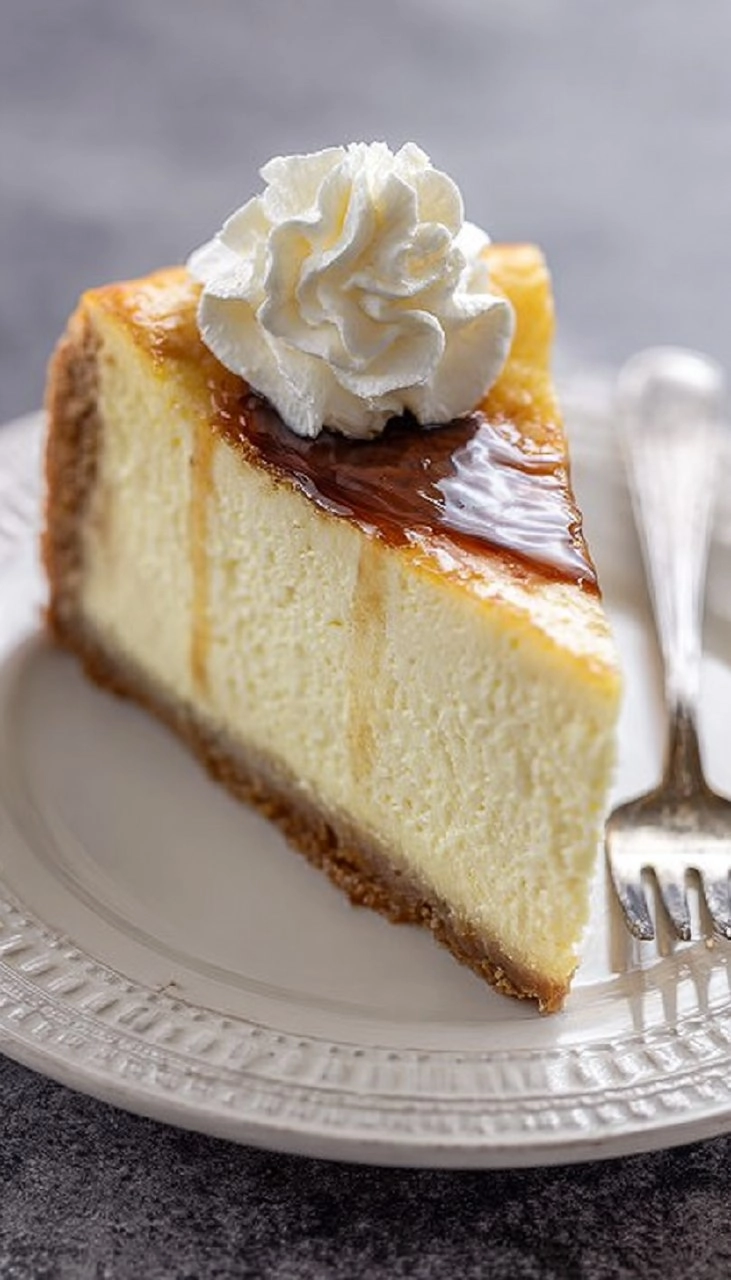
The joy of pulling a homemade cheesecake from the refrigerator, still intact with a beautiful smooth top and that rich aroma is one that every baking enthusiast should experience. This recipe brings the classic dessert to life with easy instructions and a handful of ingredients. Play around with flavors, try different toppings, and don’t hesitate to make it your own.
Recipe FAQs
Can I use a different type of crust for my cheesecake?
Why does my cheesecake have cracks?
How do I know when my cheesecake is done?
Can I add flavorings or toppings to my cheesecake?
⭐ If you make my Cheesecake recipe, Awesome! I would love to hear from you. Please give it a star rating and review below! 👇
Cheesecake
This cheesecake features an irresistible flavor and simple preparation, perfect for dessert lovers. With its creamy texture and graham cracker crust, this homemade delight is a must-try for any occasion.
- Prep Time 30 minutes
- Cook Time 578 minutes
- Yield 1 cheesecake 1x
Ingredients
- 2 cups (198 grams) graham cracker crumbs
- 1/3 cup (67 grams) sugar
- 7 tablespoons (99 grams) butter, melted
- 5 blocks full-fat cream cheese (40 ounces total) room temperature
- 1 and 1/2 cups (300g) granulated sugar
- 1 tablespoon pure vanilla extract
- 5 large eggs room temperature
- 3 large egg yolks room temperature
- 1/2 cup (113ml) heavy cream room temperature (use an extra 1/4 cup for even creamier cheesecake)
Instructions
- Preheat the oven to 350°F (175°C) and lightly spray a 9" springform pan with non-stick spray.
- Wrap the bottom and sides of the pan with heavy-duty tinfoil to prevent water from seeping in during the water bath.
- In a large bowl, mix together graham cracker crumbs, sugar, and melted butter until well combined. Firmly pat the mixture into the prepared pan to form the crust.
- Bake in the preheated oven for 8 minutes. Once baked, allow the crust to cool on a wire rack while preparing the cheesecake filling.
Notes
For a richer cheesecake, consider adding an extra 1/4 cup of heavy cream to the filling.
Make sure all ingredients are at room temperature for the best mixing results.
Use a water bath during baking to ensure even cooking and prevent cracks.
Nutrition
- Serving Size: 1 slice
- Calories: 800
- Sugar: 55g
- Sodium: 500mg
- Fat: 50g
- Saturated Fat: 30g
- Unsaturated Fat: 15g
- Trans Fat: 1g
- Carbohydrates: 70g
- Fiber: 1g
- Protein: 10g
- Cholesterol: 200mg
Nutritional information is an estimate. The nutritional values for your final dish may vary based on measuring differences and products used.